Case study
Design system
CMS Optimization
Elevating UX for Endeavor Business Media at Scale
Simplifying an 80+ brand ecosystem with a unified, scalable design system
About Our Client
Endeavor Business Media also known as EndeavorB2B is a major B2B media organization with 80+ brands across aviation, healthcare, digital infrastructure, and more. With 700+ employees and 60 annual conferences, they offer marketing solutions, content, lead generation, and education. Their digital ecosystem, however, struggled with outdated design, fragmented workflows, and poor mobile performance.
Problem
Endeavor faced a fragmented, outdated digital ecosystem that was hard to scale across 80+ brands. Key issues included inconsistent design, inefficient CMS workflows, and disconnected components that created friction across teams.
Outdated, inconsistent UX across 80+ sites.
Inefficient Aspire CMS and 100+ disconnected components.
Cluttered mobile experience with no industry‑specific UX standards.
Multiple teams fighting for real estate
Outdated System bloated without clear UX
Precious Approach
We partnered with Endeavor on a long‑term UX transformation through our subscription model that unified their 80+ brands with a modular design system, improved team workflows, tested and improved mobile usability, and introduced industry‑tailored best practices, all supported by reusable templates that made implementation faster and smoother.
The 3 Step Solution
Step 1: UX Research
Understanding Endeavor’s diverse verticals was crucial, Our research included:
Benchmarking leading publishers in aviation, healthcare, digital infrastructure, and more.
Identifying best practices for newsletters, engagement modules, and ad placements.
Mobile-first heuristics to address their audience’s increasing mobile usage.
Direct stakeholder interviews to uncover pain points and align UX with business goals.
Step 2: Digital Ecosystem Audit
We conducted a large-scale audit of all 80+ sites:
Mapped recurring components, templates, and UI patterns.
Grouped elements using Atomic Design principles.
Ensured compatibility with the existing Aspire CMS.
Identified redundant patterns to unify into a scalable structure.
Step 3: Design System & Implementation
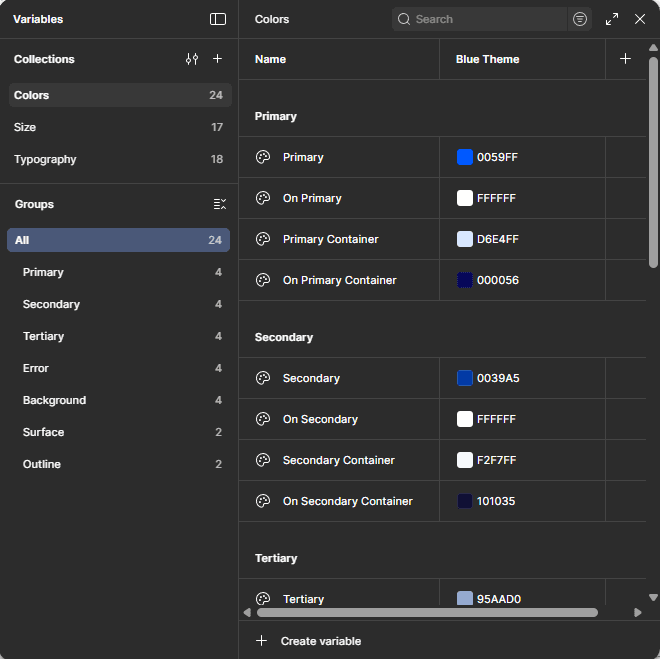
We created a modern, tokenized design system with:
Consistent typography, color, spacing, and adaptive theming across brands.
Mobile-optimized, accessible components.
Atomic Design-driven structures ensuring reusability and rapid development.
Reusable content and templates to speed production.
Documented components with interactive examples for designers, developers, and managers.
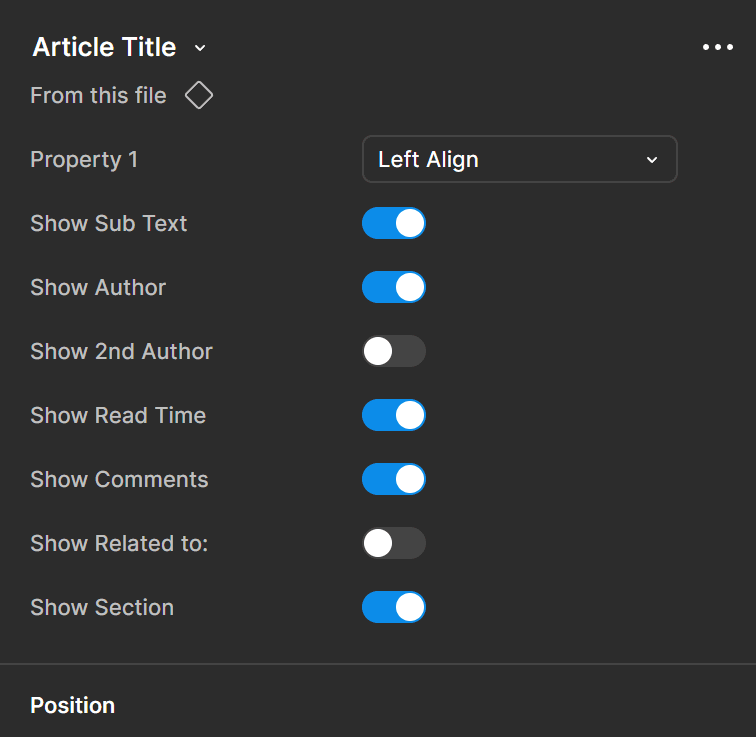
This system eliminated fragmentation and made the CMS dramatically easier to manage.
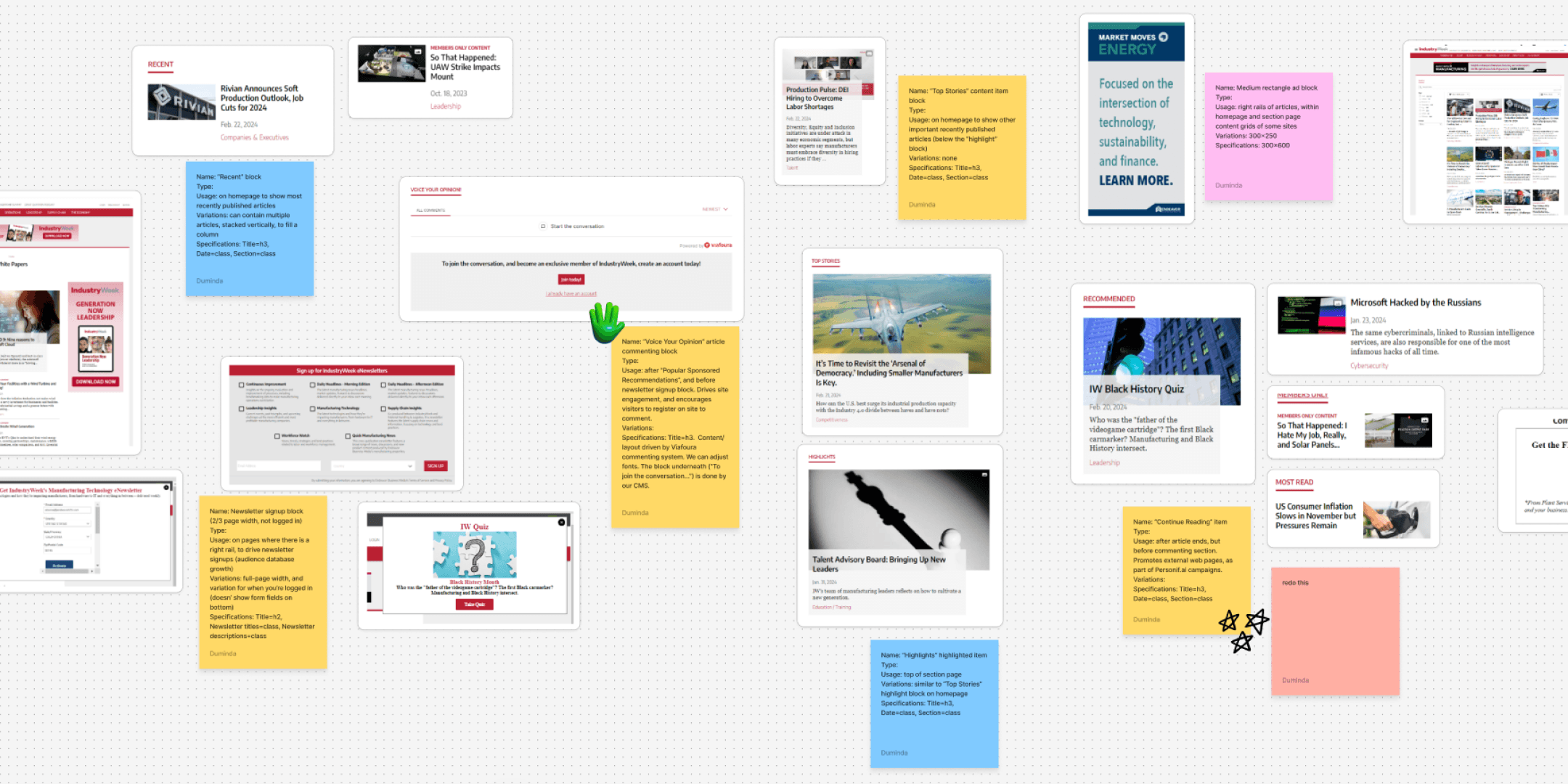
Identifying all the existing CMS elements and components
Team Wide Execution & Pipeline
To prevent marketing teams, Audience Engagement, and Editorial from competing over the limited real state, we introduced reusable, CMS-safe templates with clearly marked content zones, ensuring everyone knew what they owned. We focused on high-impact areas like home, article layouts, newsletter placements and subscription prompts, making them mobile-first and ad-friendly without hurting the reading experience. Everything was documented in Figma with examples tied to real pages, so product, design, sales and dev could finally speak the same language and ship new layouts without starting from zero.
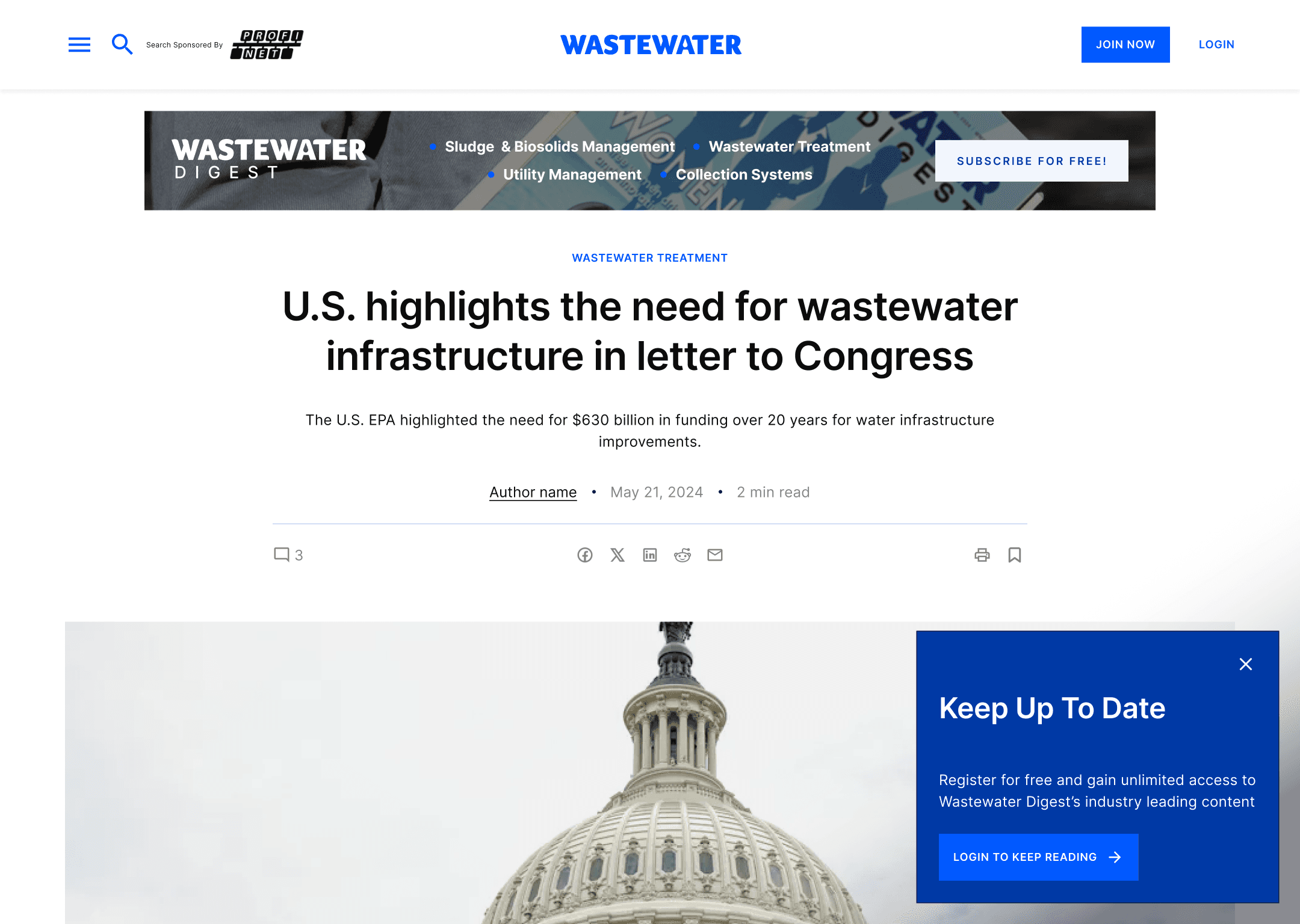
Final Lumin App Implementations
Impact: How We Conquered Endeavor’s Team
One System for 80+ Brands
Tokenized components replaced 100+ one-off parts, so new brands and sections launched from a single system instead of custom builds.
Faster CMS Execution
Predefined, CMS-safe templates cut layout debates and dev rework, making Aspire feel less like a blocker and more like a reliable delivery engine.
Less Turf War, More Clarity
Clear page zones for Ads, Audience and Editorial reduced internal conflicts over space and preserved a coherent reading experience.
UX That Sells
Refined flows and placements made plans easier to understand and easier to tweak, without long redesign cycles or cross-team friction.
Mobile-First Engagement
Optimized article, ad and newsletter experiences on mobile increased the likelihood that users could read, subscribe and engage from any device.
Ongoing UX Partnership
Instead of a one-off redesign, Endeavor gained a living system and process they can keep evolving as new brands, layouts and monetization models appear.
Key Takeaways for Product Managers
Design Once, Scale Everywhere: A tokenized system means every new brand or section is a configuration problem, not a net-new design project.
Make the CMS a Constraint, Not an Excuse: Working with CMS's limits forced tighter components and templates that actually sped up implementation.
Protect the Page From Internal Politics: Codified content zones keep Ads, Editorial and Growth aligned, so user experience isn’t negotiated in every sprint.
Invest in the Empty Surfaces: Article templates, subscription prompts and newsletter placements quietly drive the majority of engagement and revenue.
Document the System, Not Just the Screens: Interactive guidelines and examples reduce handoff ambiguity, allowing PMs, designers, and developers to ship consistently without constant meetings.